
Drug addiction, known clinically as a substance use disorder, is a chronic but treatable medical condition in which a person keeps using a substance despite the harm it causes. It is not a moral failing or a simple lack of willpower. Understanding what addiction really is, how it develops, and how recovery works can help you or someone you love take the first step toward getting better.
Addiction is a brain condition, not a character flaw
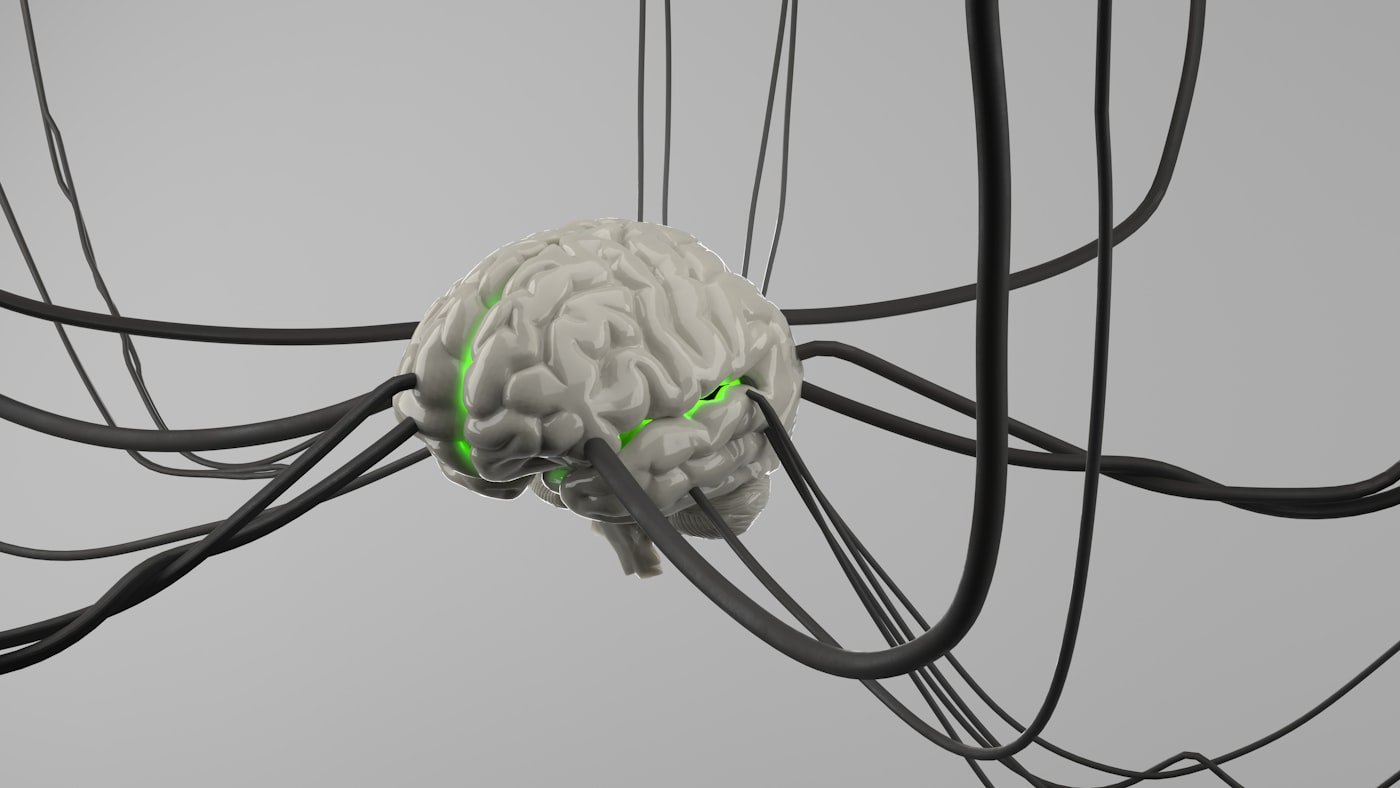
Leading health authorities, including the National Institute on Drug Abuse and the World Health Organization, describe addiction as a chronic, relapsing condition that affects the brain’s reward, motivation, and self-control systems. Repeated substance use gradually changes how these circuits work.
Most drugs flood the brain’s reward pathway with dopamine, the chemical linked to pleasure and motivation. Over time the brain adapts by producing less of its own dopamine and becoming less responsive to it. The result is that a person needs the substance just to feel normal, while everyday pleasures feel flat.
These changes help explain why “just stopping” is so difficult. The parts of the brain that weigh consequences and resist urges become less able to override powerful cravings. That is why addiction is best treated as the health condition it is, not judged as a weakness.
Dependence vs. addiction: what is the difference?
People often use “dependence” and “addiction” as if they mean the same thing, but they describe different experiences. A person can be physically dependent on a medication taken exactly as prescribed without being addicted, and understanding the distinction helps reduce fear and stigma.
| Feature | Physical dependence | Addiction (substance use disorder) |
|---|---|---|
| What it is | The body adapts to a substance and needs it to function normally | Compulsive use and loss of control despite clear harm |
| Key sign | Withdrawal symptoms when the substance stops | Cravings, continued use, and behavior centered on the drug |
| Can it happen with prescribed medicine? | Yes, even when used correctly | Not necessarily; it involves compulsion, not just tolerance |
| Main concern | Safe, gradual tapering under medical guidance | Comprehensive treatment for behavior, brain, and environment |
What causes drug addiction?
There is no single cause. Addiction develops from a mix of biological, psychological, and environmental factors that vary from person to person. According to the National Institute on Drug Abuse, genetics account for a substantial share of a person’s overall risk, but genes are never the whole story.
- Genetics and family history. A close relative with addiction raises the risk, though it is not destiny.
- Mental health. Depression, anxiety, ADHD, and trauma often occur alongside substance use, sometimes as attempts to self-medicate.
- Early exposure. Starting substance use young, while the brain is still developing, increases vulnerability.
- Environment and stress. Chronic stress, peer influence, easy access, and unstable surroundings all play a role.
- How a drug is used. Substances that act quickly and intensely tend to be more addictive.
How addiction progresses
Addiction rarely appears overnight. It usually moves along a spectrum, and recognizing the early stages can make a real difference. Learning to recognize the signs of drug addiction in yourself or a loved one is one of the most useful things you can do.
- Experimentation or medical use. Use begins out of curiosity, social pressure, or a legitimate prescription.
- Regular use. The substance becomes part of a routine, often tied to coping with stress or emotions.
- Risky use and tolerance. More is needed for the same effect, and use continues despite early problems.
- Dependence and addiction. Cravings, withdrawal, and loss of control take hold, and life increasingly revolves around the substance.

Common signs to watch for
Signs vary by substance and person, but several patterns show up across most substance use disorders. No single sign confirms addiction; it is the cluster and the direction of change that matter.
- Using more, or for longer, than intended
- Failed attempts to cut back or quit
- Neglecting work, school, or family responsibilities
- Withdrawing from friends, hobbies, and once-loved activities
- Secrecy, mood swings, and financial or legal trouble
- Continuing to use even after clear physical or emotional harm
Drug addiction vs. alcohol addiction
Alcohol is a legal, widely available drug, which can make problem drinking harder to spot than illicit drug use. Yet the underlying condition follows the same pattern of tolerance, cravings, and loss of control. The National Institute on Alcohol Abuse and Alcoholism treats alcohol use disorder as part of the same family of substance use disorders.
If you have wondered about your own habits, our guides on whether you have a drinking problem and the dangers of driving on alcohol can help you reflect honestly. Whether the substance is alcohol or another drug, the encouraging news is the same: it responds to treatment.

Addiction is treatable
Recovery is not only possible, it is the expected outcome for people who engage in evidence-based care. Treatment is rarely a single event; it usually combines several approaches tailored to the individual.
- Medically supervised detox to manage withdrawal safely when needed.
- Behavioral therapy such as cognitive behavioral therapy and motivational counseling.
- Medication-assisted treatment for certain substances, including opioids and alcohol.
- Peer support through group meetings and community programs.
- Treatment for co-occurring conditions like depression, anxiety, or trauma.
To understand how structured programs work, explore our overview of rehabilitation services and how inpatient rehab treatment supports people who need round-the-clock care. You can also browse rehab centers and find options near you through our locations directory.

Taking the next step
Reaching out is a sign of strength, not defeat. If you are ready to talk with someone, you can book an appointment, review your insurance and payment options, or contact our team with questions. For trusted background reading, the National Institute on Drug Abuse offers a plain-language overview of the science of addiction at nida.nih.gov.
Frequently Asked Questions
Is drug addiction a disease or a choice?
Health authorities classify addiction as a chronic brain condition. The first use may be a choice, but repeated use changes brain circuits that control reward and self-control, making continued use compulsive rather than freely chosen.
Can drug addiction be cured?
Addiction is usually described as manageable rather than cured, much like diabetes or high blood pressure. With ongoing treatment and support, most people can reach lasting recovery and rebuild a full, healthy life.
What is the difference between physical dependence and addiction?
Dependence means the body has adapted to a substance and reacts with withdrawal when it stops. Addiction adds compulsive use and loss of control despite harm. A person can be dependent on a prescribed medicine without being addicted.
Who is most at risk of becoming addicted?
Risk is higher for people with a family history of addiction, untreated mental health conditions, early exposure to substances, or high levels of chronic stress. Risk factors raise the odds but do not guarantee addiction.
How do I know if casual use has become addiction?
Warning signs include using more than intended, failed attempts to cut back, neglecting responsibilities, and continuing to use despite harm. If use is controlling your choices, it is worth speaking with a professional.
Where can I get help right now?
Call or text the 988 Suicide & Crisis Lifeline for immediate support, or call the SAMHSA National Helpline at 1-800-662-4357. You can also book an appointment through our directory to explore treatment options.